Perimenopause and Menopause: Why Diet and Exercise Matter More Than Ever
Why Diet and Exercise Matter
Somewhere between your late 30s and early 50s, your body starts changing in ways that don't match anything you've experienced before. Sleep gets harder. Weight shifts to places it never used to. Your mood feels less predictable. You're tired in a way that rest doesn't seem to fix.
You might chalk it up to stress, aging, or just life getting harder. But if you're a woman in this age range, there's a strong chance what you're experiencing has a name: perimenopause.
Nobody prepares you for this transition the way they prepare you for puberty or pregnancy. There's no class, no clear timeline, no guidebook handed to you. You're often left piecing together what's happening on your own, sometimes for years, before anyone gives you real answers.
Here's what you need to know: perimenopause and menopause are not conditions to just survive. They're a significant hormonal transition your body needs support through. And two of the most powerful tools you have, diet and exercise, are often the last things addressed, even though they matter more during this time than almost any other stage of life.
Understanding Perimenopause and Menopause
Perimenopause is the transitional period leading up to menopause, when your ovaries gradually produce less estrogen. It can last anywhere from a few years to over a decade, typically starting in your 40s, though it can begin earlier for some women.
Menopause itself is officially marked by 12 consecutive months without a menstrual period, usually occurring around age 51 in the United States, though this varies significantly by individual.
During perimenopause, hormone levels don't decline steadily. They fluctuate unpredictably, sometimes spiking, sometimes dropping. This is why symptoms can feel so inconsistent. You might have a great week followed by one where everything feels harder.
Common symptoms include:
- Irregular periods
- Hot flashes and night sweats
- Sleep disturbances
- Mood changes, irritability, or anxiety
- Weight gain, particularly around the midsection
- Fatigue
- Brain fog and difficulty concentrating
- Decreased muscle mass
- Joint pain
- Changes in libido
- Vaginal dryness
- Thinning hair or changes in skin texture
Not every woman experiences every symptom, and severity varies widely. But for many women, this transition significantly affects quality of life, and it deserves real attention and support, not dismissal.
Why This Transition Impacts So Much More Than Your Period
Estrogen does far more in your body than regulate your menstrual cycle. It plays a role in bone density, cardiovascular health, brain function, metabolism, skin elasticity, and mood regulation.
When estrogen declines, the effects ripple through nearly every system in your body.
Metabolism slows down. Estrogen influences how your body stores fat and processes glucose. As it declines, many women notice weight gain, especially around the abdomen, even without changes to their diet or activity level.
Bone density decreases. Estrogen helps maintain bone strength. Its decline accelerates bone loss, increasing the risk of osteoporosis and fractures later in life.
Muscle mass declines faster. Women naturally lose muscle mass with age, but this process accelerates during perimenopause and menopause, which further impacts metabolism and physical strength.
Cardiovascular risk increases. Estrogen has a protective effect on heart health. After menopause, women's risk of heart disease rises significantly, eventually matching or exceeding that of men.
Sleep and mood are disrupted. Hormone fluctuations affect neurotransmitters that regulate sleep and mood, which is why so many women experience insomnia, anxiety, or depression during this transition, even without a prior history of these issues.
Understanding this bigger picture matters because it explains why generic advice like "just eat less and exercise more" doesn't address what's actually happening in your body during this stage.
Why Diet Matters More During This Transition
The nutritional strategies that worked for you in your 20s and 30s often stop working the same way during perimenopause and menopause. Your body's needs are genuinely changing.
Protein Becomes Even More Important
As muscle mass naturally declines during this transition, adequate protein intake becomes essential for preserving what you have and supporting what you're trying to build through exercise.
Aim to include a protein source at every meal: eggs, poultry, fish, legumes, Greek yogurt, or tofu. Many women need more protein than they think during this stage, often more than they consumed earlier in life.
Calcium and Vitamin D Support Bone Health
With declining estrogen accelerating bone loss, calcium and vitamin D become critical for protecting long-term bone density.
Include calcium-rich foods like dairy products, leafy greens, and fortified foods. Vitamin D can come from sunlight exposure, fatty fish, and fortified foods, though many women benefit from supplementation, which is worth discussing with a healthcare provider.
Fiber Supports Hormone Balance and Digestion
Fiber helps regulate blood sugar, supports healthy digestion, and assists your body in processing and eliminating excess hormones.
Include vegetables, fruits, whole grains, and legumes throughout the day. Most women don't get enough fiber, and increasing intake often improves digestion, energy, and satiety.
Healthy Fats Support Hormone Production
Your body needs fat to produce hormones. Include sources like avocados, olive oil, nuts, seeds, and fatty fish. Omega-3 fatty acids in particular have been shown to support mood regulation and reduce inflammation.
Manage Blood Sugar to Reduce Symptom Severity
Blood sugar imbalances can worsen hot flashes, mood swings, and energy crashes. Eating balanced meals with protein, fiber, and healthy fats, rather than relying on refined carbohydrates and sugar, helps stabilize blood sugar and may reduce symptom intensity.
Stay Hydrated
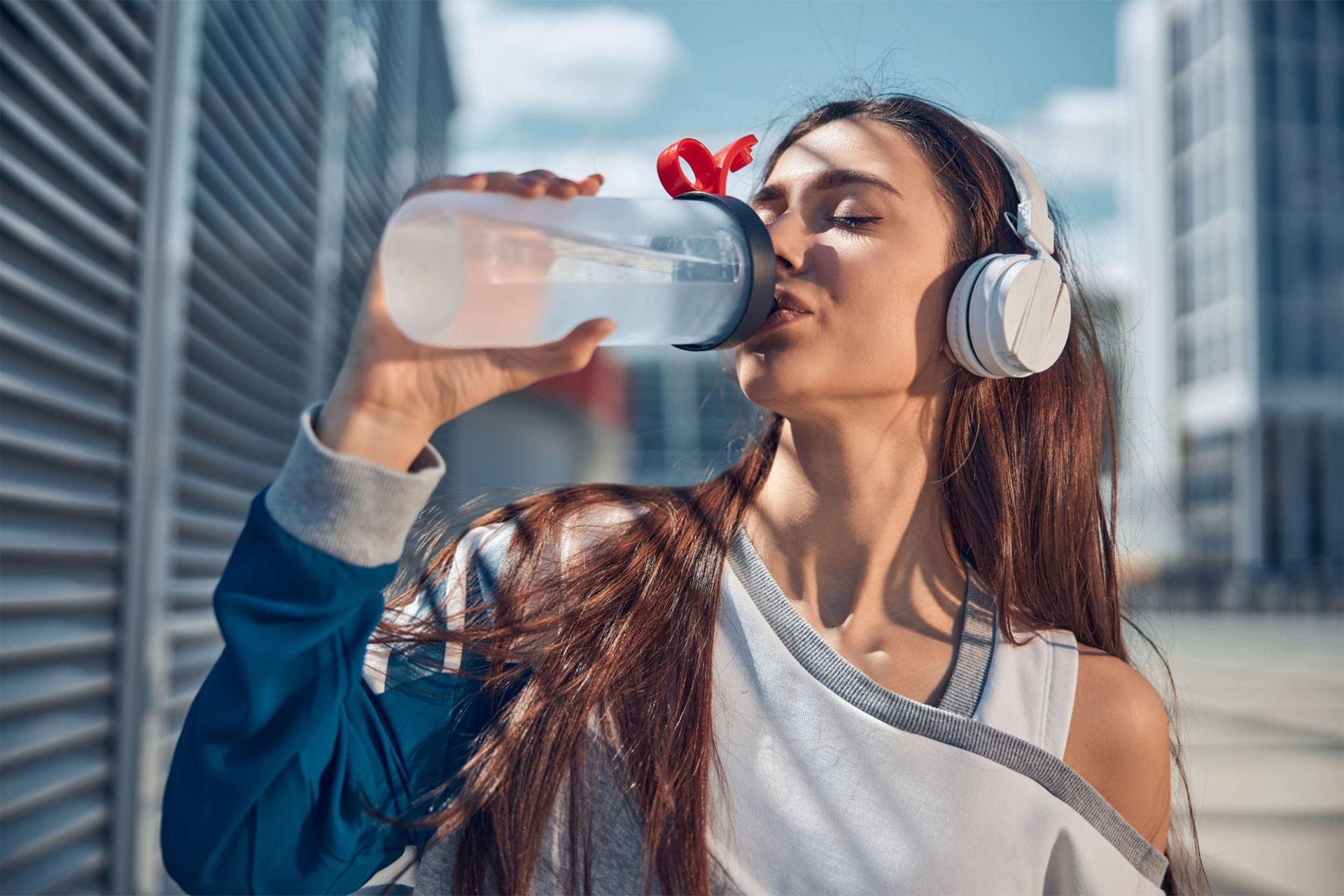
Hormonal changes can affect fluid balance and contribute to bloating, headaches, and fatigue. Consistent hydration throughout the day supports overall function and can ease some symptoms.
Why Exercise Matters More During This Transition
Exercise isn't just about managing weight during perimenopause and menopause. It directly counteracts several of the physiological changes happening in your body.
Strength Training Protects Muscle and Bone
Resistance training is one of the most effective tools for preserving muscle mass and supporting bone density during this transition. Since both naturally decline with hormonal changes, strength training becomes less optional and more essential.
Aim for two to three strength training sessions per week, working all major muscle groups. This doesn't require lifting heavy weights immediately. Building consistency and proper form matters more than intensity at the start.
Cardiovascular Exercise Supports Heart Health
With cardiovascular risk increasing after menopause, regular aerobic exercise becomes an important protective factor. Walking, cycling, swimming, or any activity that elevates your heart rate supports heart health, mood, and energy.
Movement Helps Regulate Mood and Sleep
Exercise supports the neurotransmitters that regulate mood and helps improve sleep quality, both of which are commonly disrupted during perimenopause and menopause.
Even moderate movement, like a daily walk, can meaningfully improve how you feel, particularly when combined with strength training and consistent nutrition.
Exercise Supports Metabolic Function
Regular movement, particularly strength training, helps counteract the metabolic slowdown associated with declining estrogen. It supports insulin sensitivity and helps your body more effectively manage blood sugar and energy.
Don't Overlook Recovery
While consistent exercise is important, this is also a stage where overtraining without adequate recovery can backfire, increasing stress hormones and worsening fatigue. Balance intensity with adequate rest, sleep, and recovery practices like stretching or gentle mobility work.
This Transition Deserves Real Support, Not Dismissal
Too many women are told their symptoms are just part of aging and there's nothing to be done. That's simply not true.
While perimenopause and menopause are natural transitions, the symptoms that come with them can often be significantly improved through targeted nutrition, consistent exercise, quality sleep, and stress management. You don't have to just push through feeling exhausted, foggy, and unlike yourself.
Whether you're managing a career, a household, or both, this transition deserves attention and support tailored to what your body actually needs right now, not generic advice designed for a different life stage.
You Deserve to Feel Like Yourself Again
Perimenopause and menopause bring real, significant changes. But they don't have to mean giving up your energy, your strength, or your sense of self.
With the right nutritional strategies and a consistent, appropriate exercise routine, many women find they can manage symptoms effectively and feel more like themselves throughout this transition, not despite it.
Ready to navigate this transition with support that actually understands what your body needs? Explore female hormone support at FL Fit Fusion. Let's build a nutrition and exercise plan designed for where you are right now.
Insights & Tips for a Healthier You